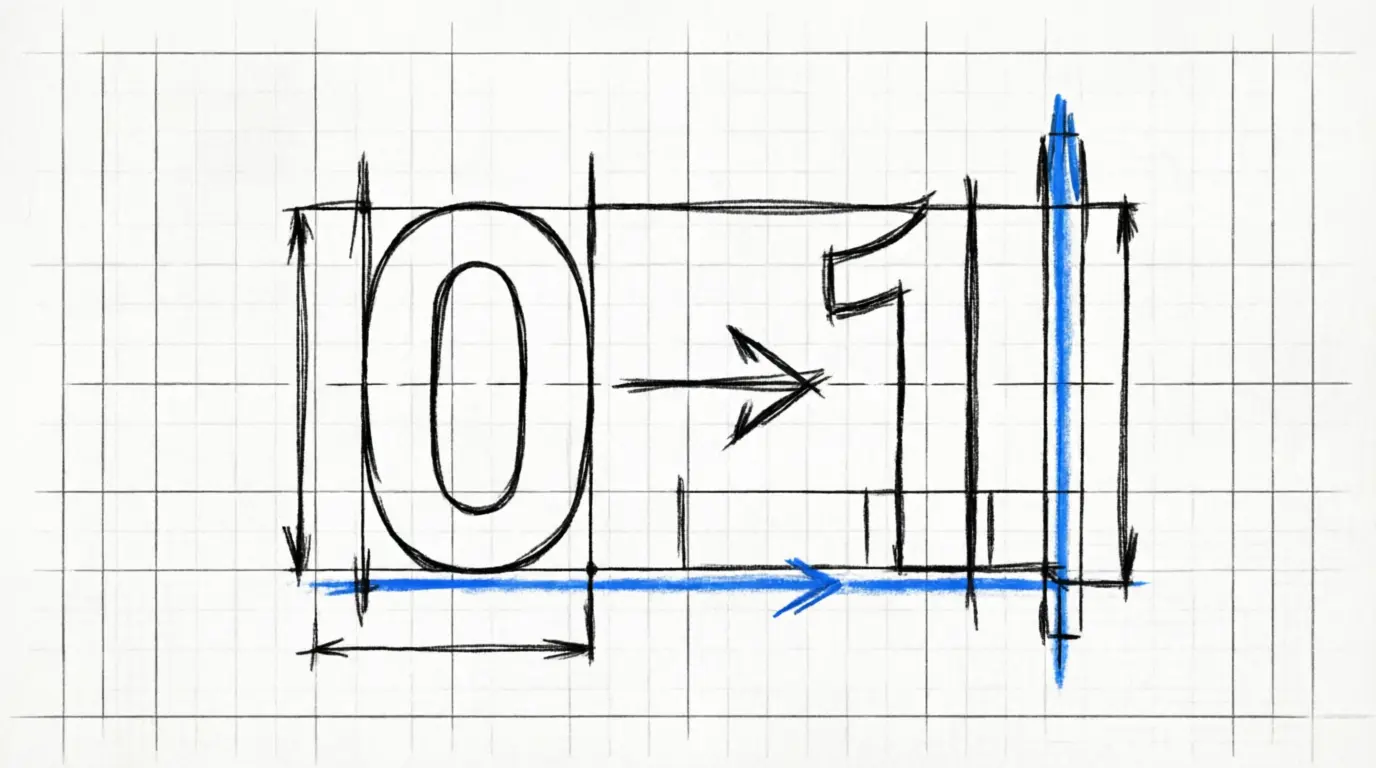
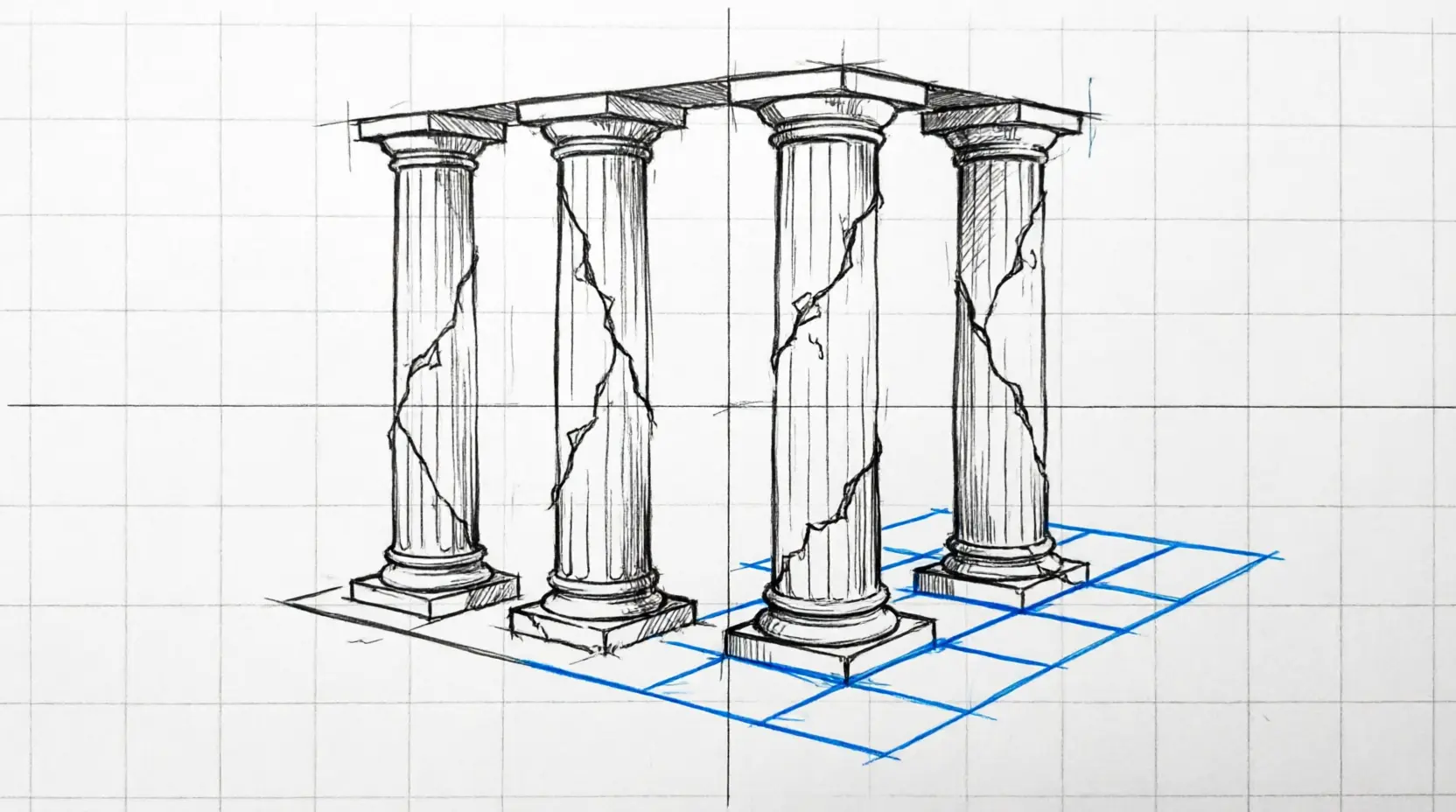
Encapsulation. Polymorphism. Inheritance. Abstraction.
Forget about them. Seriously.
In this series of articles, we will build a new, scientifically proven foundation for Object-Oriented Programming (OOP).
It has almost nothing to do with the four old pillars that students have been memorizing in universities for decades.
The new foundation of OOP is as simple as a children’s building block set and as precise as math. It is based on just two things: black boxes and message passing between them.
In this series, we won’t just criticize the old way. We will announce a manifesto for a new approach and, step by step, create a new OOP theory. This theory will allow anyone — even people far from coding — to effectively design complex software systems.
The Problem: System Design is Broken
How is software built today? It is painful.
A manager draws a business process diagram. An analyst writes a huge technical specification. And a programmer turns all of this into messy code in Java, C++, or Python. In the end, the system does not look like the original idea, and maintaining it becomes a nightmare.
Why does this happen? Because designing software systems is still a job for the chosen few. To build an app, you must know syntax, loops, memory management, and outdated OOP principles that have no real scientific basis.
The old four pillars of OOP force us to think about how objects are built inside, rather than how they interact with each other. They create a huge gap between how a human designs a system and how it looks in code. In the age of Artificial Intelligence, this gap is the main thing slowing us down.
The Solution: Universal Principles and a Language for Everyone
But what if there was a universal language for designing systems?
In this series, we offer not just a new language to describe and design systems, but also new Object-Oriented Programming principles. These principles will be useful and easy to understand for both programmers and people who help design systems but don’t write code.
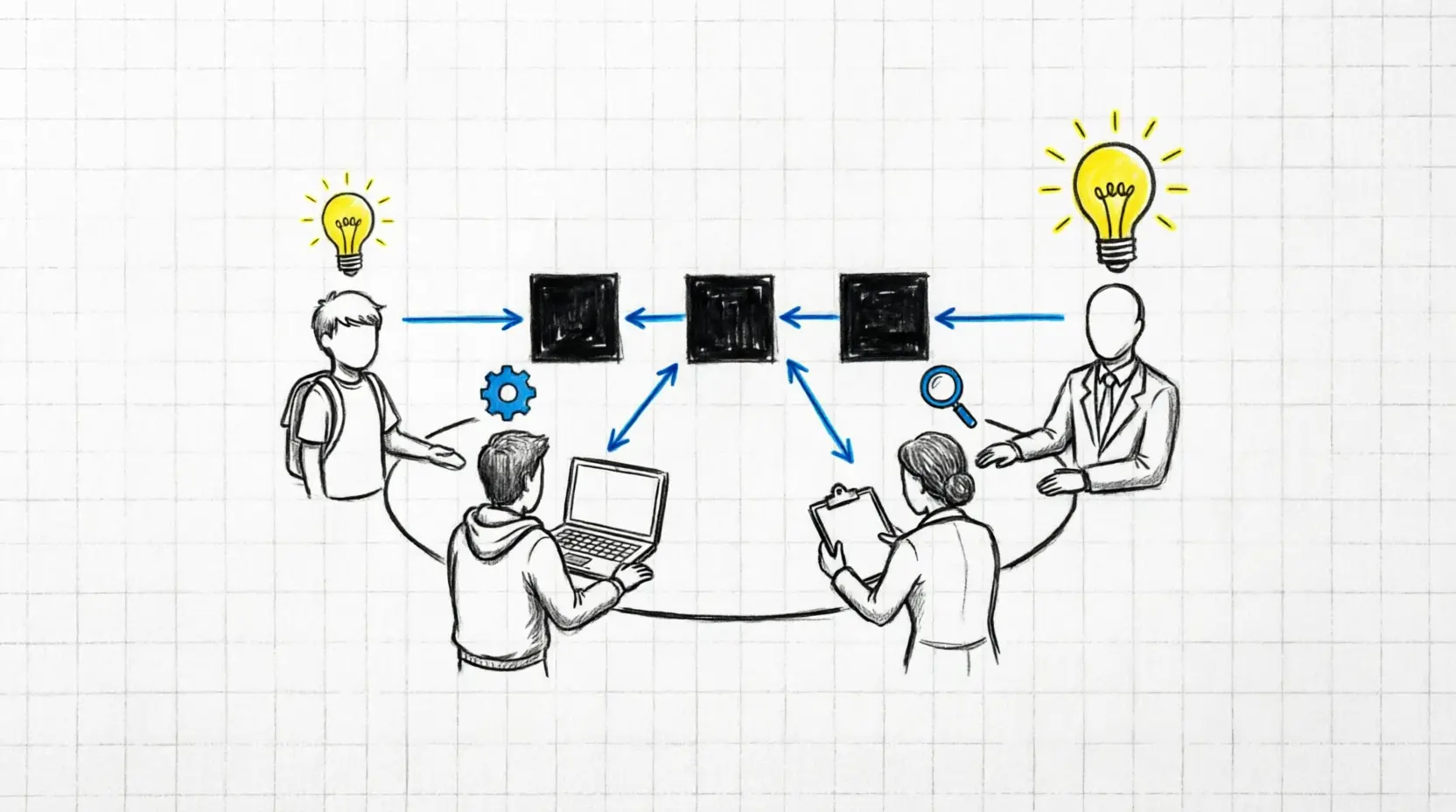
This includes analysts, managers, testers, as well as company leaders and department heads.
The new OOP principles we present in this series do not depend on scale or level. This means they work exactly the same way at any level of complexity:
- Are you writing a low-level function in C? It is a black box receiving messages.
- Are you designing business logic in Java? It is a network of black boxes.
- Are you building a distributed system of microservices? It is the same black boxes communicating through messages.
The same extremely simple rules work everywhere. From a single line of code to a global architecture.
Based on these principles, we will create a new system design language in this series.
Why This Changes Everything
This language will become a bridge between humans and machines. Here are its key features:
- It is understandable for everyone. It is so simple and intuitive that a school student, manager, accountant, or designer can learn it. Anyone can use it to describe the architecture of a complex app without writing a single line of traditional code.
- It works together with AI. You describe what the system should do in this language (which boxes send which messages), and Artificial Intelligence instantly translates this blueprint into working, optimized code in Python, Java, C++, or any other language.
- It is strictly verifiable (Killer Feature). Despite being simple and easy for non-programmers, this language is strict enough. This means we can use static analysis to automatically check if the code generated by AI in a classic language matches our original simple blueprint. Fewer AI hallucinations, fewer differences between the spec and reality.
The Era of AI-Native OOP
We are entering a time when low-level programming stops being the main skill. In the future, AI will write the code, and humans will design the systems.
But for people to do this, they need the right tool. Old OOP is not good for this. The new OOP is perfect.
In the upcoming parts of this series, we will:
- Explain why old OOP principles need to be replaced.
- Reveal the scientific base for the new OOP theory using black boxes and messages.
- Design and build our new system design language from scratch.
- Show how to build apps using this language and AI.
These principles are already formulated. They are universal. They are simple.
Welcome to the new era of design. Welcome to AI-Native OOP.
Series Map
- 🚀 Part 0. The Blueprint
- 🎯 Part 1. The True Essence of OOP: Black Boxes and Message Passing
- 🧩 Part 2. Objects, Components, Messages
- ️🧱 Part 3. The MOBBLOC Principles
- 🛠️ Part 4. Creating the AI-Native OOP Language From Scratch
- 📋 Part 5. The Four Types Of OOP
- 🐹 Part 6. Choosing The Mascot For MOBBLOC Principles